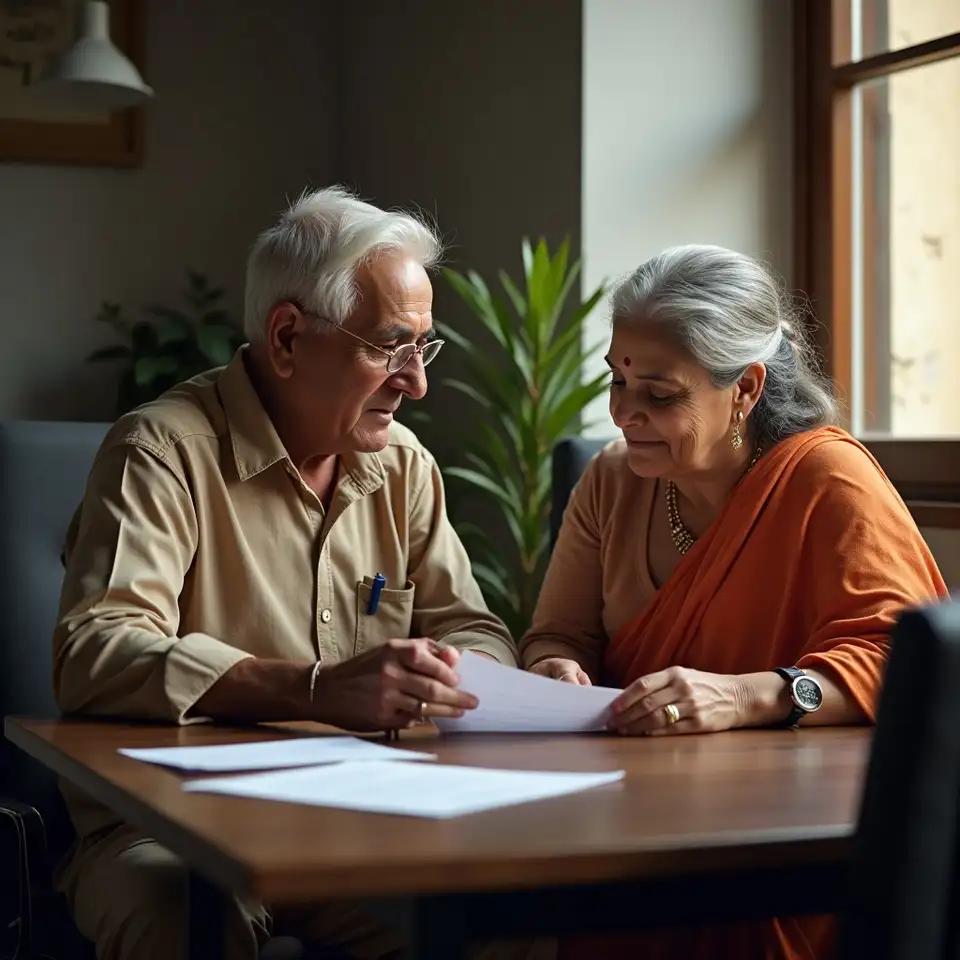
A historian’s deep dive into eligibility rules for senior social aid in India
Decades ago, eligibility for senior benefits in India was often left to interpretation.
Now, government schemes publish clear rules, and understanding them is crucial to
receiving support. Let’s put the conclusion first: meeting all eligibility criteria is
non-negotiable—missing a single requirement can delay or deny your aid.
Most
major pension schemes in India hinge on three pillars: age, income, and residency. For
example, the National Old Age Pension Scheme (NOAPS) requires recipients to be 60 years
or older, belong to a low-income household, and reside in India. State programs may have
stricter or more relaxed requirements, so always check local rules.
Thought
experiment: Imagine two applicants—one who checks eligibility before applying, and one
who skips this step. The first saves time and avoids disappointment, while the second
faces delays and wasted effort. We encourage making eligibility checks a habit.
Proof
of eligibility comes from documents: age certificates, income declarations, and
residency proof. Be proactive—gather papers before you start your application. If your
circumstances change, such as an increase in income or a change of address, notify
authorities immediately. Failure to update information may lead to interrupted
benefits.
Finally, eligibility rules are not static. We recommend checking
updates every financial year or after major policy announcements. When in doubt, consult
your local welfare office, as staff are trained to clarify eligibility and suggest next
steps.
Contrast the informal word-of-mouth guidance of earlier days with today’s published
rulebooks. Seniors now access eligibility checklists online, through local offices, or
at public information sessions. The system’s transparency is designed to reduce errors
and ensure aid reaches those who qualify, but it also means seniors must be diligent.
Common
eligibility criteria include age (typically 60+), a verified low-income status, and
permanent residency in the relevant state or union territory. Special schemes may add
requirements for widows, the disabled, or those without family support. Each program
will list documents that prove eligibility—never rely on verbal claims.
Thought
experiment: If you hear two different sets of eligibility rules from neighbors, which do
you trust? Always verify with official sources. Outdated or misunderstood information
can block your path to benefits.
We suggest making a checklist and reviewing
it annually. If your situation changes—such as moving to another state—confirm that you
still meet all criteria for your chosen scheme. Consistency and careful attention
protect your access to support.
Eligibility rules for Indian senior benefits are not one-size-fits-all. Each scheme
defines its own criteria, with some overlap. For example, a pension for widows may
require proof of marital status and spouse’s death certificate, while a disability
pension will need a medical certificate.
We advise comparing several schemes
before applying. Some seniors qualify for more than one benefit, while others must
choose the most suitable option. Use official government portals, helplines, or
in-person consultations to clarify doubts.
Thought experiment: Picture two
applicants—one who updates eligibility papers after moving, and another who forgets. The
first continues receiving benefits, while the second faces suspension. Proactive updates
are essential.
Finally, stay informed about policy changes. Social welfare
departments announce updates through public notices and websites. If you miss an update,
you might miss out on support. Review eligibility annually and seek guidance when rules
seem unclear.